


| Specification | Available options |
|---|---|
| Product type | Custom Apparel Pillow Boxes for folded garments and accessories |
| Typical contents | T shirts, scarves, socks, ties, belts, soft fashion accessories |
| Sizing reference | Folded L × W × H, fabric bulk, tissue and card allowance |
| Structures | Pillow carton with optional window, band, or ribbon finishes |
| Print fields | Exterior logo, interior print, belly band graphics |
| Presentation uses | Boutique retail, ecommerce unboxing, gifting, subscriptions |
| Best suited for | Light flatter apparel; heavy stacks on clothing boxes |
| Related formats | Cardboard pillow boxes, clothing boxes, kraft pillow styles |
| Product scope | Apparel and fashion accessories, not multi industry generic use alone |
| Claim boundary | No load bearing or eco claims without verified evidence |
| Finish options | Window, ribbon, belly band, tissue ready packing |
| Quote inputs | Fold size, count, finishes, print, quantity, destination |
Apparel Pillow Boxes for Folded Garments and Fashion Accessories
Custom Apparel Pillow Boxes give clothing brands, boutiques, ecommerce sellers, and gifting programs a curved carton sized around folded garments and light fashion accessories. Typical contents include folded t shirts, scarves, socks, ties, soft accessories, and similar lightweight apparel items that sit flat after folding.
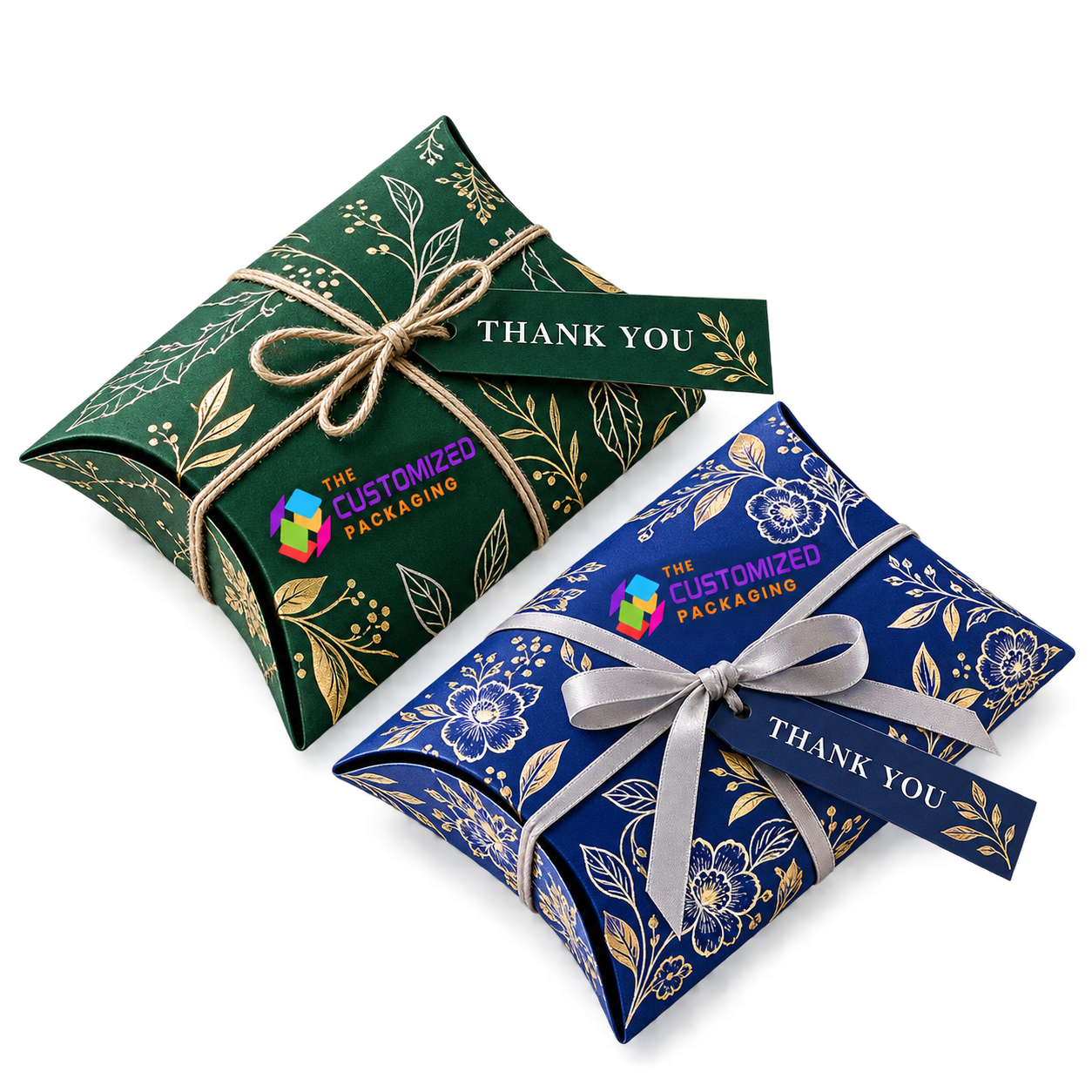
Buyers use these boxes for retail counters, subscription unboxing, boutique gifting, and ecommerce presentation where the pillow curve and print create a softer fashion feel than a rigid shirt carton. Customization may include size, logo print, windows, belly bands, ribbon, and interior print when those finishes support the brand.
This page stays apparel focused. Generic cardboard pillow boxes cover multi industry uses. Structured clothing boxes and apparel mailers better fit heavier stacks, dress shirts on boards, or multi garment kits that exceed pillow box capacity.
Folding Method, Fabric Bulk, and Opening Width
Pillow boxes suit lighter, flatter apparel. Measure the folded garment L × W × compressed thickness including tissue, cards, and hang tags. Soft knits compress differently than denser woven scarves. Multiple socks or ties need a count plan so the opening width still closes cleanly.
| Apparel item | Fold / thickness input | Pillow box fit consideration |
|---|---|---|
| Folded t shirt | Folded L × W × compressed height | Opening width and curve depth |
| Scarf or wrap | Rolled or folded bulk | Length vs cavity span |
| Socks or ties | Pair or multipack thickness | Count limit for clean closure |
| Soft accessory set | Card and tissue allowance | Insert card vs product bulk |
Folding method changes the footprint. Retail folds differ from ecommerce compression folds. Leave tissue allowance when the unboxing experience includes wrap layers. Do not treat pillow boxes as load bearing shipping cartons for heavy apparel stacks.
Avoid unsupported claims about load bearing strength, crush resistance, or suitability for every garment type. Dense jackets, multiple jeans, and board folded dress shirts usually need clothing boxes or corrugated apparel packaging instead.
Retail, Gifting, and Ecommerce Presentation Choices
Boutique counters often want exterior print and a window or ribbon detail. Ecommerce brands may prioritize size efficiency and interior print for unboxing photos. Gifting programs lean on belly bands, tissue, and clean brand marks. Subscription kits should confirm whether one pillow box holds one garment or a curated accessory set.
| Presentation setting | Print / window / insert choice | Buyer decision |
|---|---|---|
| Boutique retail | Logo print, window, ribbon | Display appeal vs pack speed |
| Ecommerce unboxing | Interior print, tight size fit | Photo moment vs shipping bulk |
| Gifting program | Belly band, tissue, card insert | Gift feel vs product count |
| Subscription kit | Branded sleeve or band | One garment vs accessory set |
- Folded garment L × W × H
- Fabric bulk and tissue allowance
- Product count per box
- Window, ribbon, or belly band needs
- Print artwork
- Quantity and USA destination
Structure first multi industry options sit on custom cardboard pillow boxes. Heavier or board folded apparel is better on custom clothing boxes. Kraft style pillow structures may also appear on related pillow packaging pages when the brand wants a natural board look.
Apparel Focus Versus Generic Pillow Structures
Generic pillow boxes start from the curved structure and serve many industries. Apparel pillow boxes start from garment fold, fabric bulk, boutique presentation, and sizing around folded clothing so the carton matches how the garment is actually packed and shown.
Hang tabs, handles, and heavy duty closures should only be included when the construction actually supports them. Most apparel pillow projects succeed with clean print, accurate opening width, and optional window or band finishes rather than forced hardware.
Board caliper and print coverage should match brand photography needs. Soft pastels, fashion photography panels, and minimal logo marks are common. Keep environmental claims off the page unless the board and print system is verified.
Retail teams often want a size that sits neatly on a shelf edge without tipping. Ecommerce teams care more about how the filled pillow box nests in a mailer. Gifting teams may accept a slightly larger carton if tissue and a card create a better open experience. Those priorities can share one artwork family while using different footprints.
When a brand sells both lightweight tees and denser accessories, keep separate size SKUs rather than forcing one opening width. Overstuffed pillow curves crease print and stress score lines. Underfilled boxes look empty in unboxing photos and allow garments to shift. A short fit sample run with real folds prevents both problems before a large print order.
Quote Inputs for Apparel Pillow Packaging
Share folded garment measurements or samples, fabric type, product count, tissue plan, finish preferences, print files, quantity, and USA destination. Outer size ranges can be explored with the custom box packaging cost calculator once the folded footprint is known. For a kraft board look that is still pillow structured, compare custom kraft pillow boxes.
Note whether the pillow box ships inside a mailer or is handed to the customer at the counter. Counter only packs can prioritize display finishes. Mailer nested packs should confirm outer mailer inner dimensions so the curved ends do not crush during transit.
Share fold photos from your packing station when possible. Real folds reveal bulk that flat sketches miss, and they help lock opening width before print plates or digital files are finalized for the run.
Right sized Custom Apparel Pillow Boxes keep fashion presentation specific while generic pillow structures and structured clothing boxes remain available for other packaging jobs.
Lighter flatter items such as folded t shirts, scarves, socks, ties, and soft accessories fit best. Heavy stacks need clothing boxes.
Apparel pillow boxes are sized and presented around garment folds and boutique fashion use. Cardboard pillow boxes are a structure first option for many industries.
Send folded garment L × W × compressed thickness including tissue, cards, and the planned product count per box.
Yes, when the structure and brand plan support window, ribbon, or belly band finishes.
Usually no. Dense or multi garment stacks are better in clothing boxes or corrugated apparel packaging.
Related Products






Order Custom Apparel Pillow Boxes from The Customized Packaging
We manufacture Custom Apparel Pillow Boxes for businesses that need reliable product protection, accurate printing, and professional packaging for retail, ecommerce, storage, or shipping. Each box can be customized by size, material, structure, printing, coatings, finishes, inserts, and order quantity.
Share your artwork and quantity targets for Custom Apparel Pillow Boxes and we will recommend the most cost-effective structure for your timeline. or speak with a packaging expert.