

| Specification | Available options |
|---|---|
| Product type | Custom Book Boxes for presentation packaging around finished books |
| Packaging role | Secondary carton or rigid pack around the publisher’s finished book rather than the printed book itself |
| Book formats | Hardcovers, paperbacks, journals, photo books, albums, multi volume sets, and collector editions |
| Sizing reference | Closed book length and width, spine thickness, dust jacket or wrap allowance, and complete set footprint |
| Box styles | Slipcase, two piece box, rigid presentation box, clamshell, sleeve and tray, folding carton, and set tray |
| Materials | Folding carton, SBS paperboard, kraft options, rigid board, and micro flute where specified |
| Insert and well options | Fitted book well, corner supports, dividers, ribbon lift, finger notch, and accessory tray |
| Set options | Single volume, twin packs, and multi book layouts with separated wells |
| Window options | Optional aperture to display the cover or spine while retaining a structural board border |
| Printing | CMYK, Pantone, digital, or offset printing on exterior, spine, and selected interior panels |
| Title and series fields | Title, author, series, publisher mark, edition text, barcode, ISBN, and QR code where required |
| Finishes | Matte or gloss coating, soft touch coating, foil, embossing, debossing, and spot UV where the selected board allows |
| Recommended use | Presentation and retail packaging for books, while parcel focused shipping should use book mailer formats |
| Artwork | Print ready artwork prepared to the approved dieline, with sampling recommended using the actual finished books |
| Quote inputs | Book length and width, spine thickness, dust jacket allowance, set count, preferred structure, insert or ribbon requirements, printing plan, quantity, and delivery location |
Measure From the Finished Book Block
Book packaging should be sized to the closed volume as it will ship or display, not to an open page spread or an empty case. Measure the length and width at the covers, spine thickness including the boards, and any dust jacket, belly band, or insert that adds bulk. Multi volume sets need the complete stacked or side by side footprint rather than measurements from only one title.
These packs sit in TCP’s Stationary range. For packaging designed primarily for parcel shipping, use Custom Book Mailer Boxes instead. This page focuses on presentation, retail, and collector packaging fitted around the finished book. Clamshell formats used for editions and gifts are also available as Custom Clamshell Boxes when that opening style is the preferred structure.
- Closed book length and width
- Spine or book block thickness including boards
- Dust jacket or wrap allowance
- Single volume or complete set count and layout
- Whether a slipcase, tray, or clamshell is required
- Whether the box is for presentation only or will also travel as an inner pack
Hardcovers, Paperbacks, and Multi Volume Sets
Hardcovers need enough corner room and a cavity that does not pinch the spine. Paperbacks are thinner but can bow when the well is oversized. Photo books and albums are often heavier and may need a firmer base or rigid wrap. Boxed sets can use dividers or a common tray so each volume remains aligned during display and handling.
One standard book box will not suit every title. A slipcase designed around a trade paperback can leave too much movement around a thick art book, while a deep clamshell intended for a set may look oversized around a single slim journal.
| Book format | Fit consideration | Useful pack approach |
|---|---|---|
| Hardcover or casebound | Board thickness and corner clearance | Fitted well or slipcase with corner support |
| Paperback or softcover | Thin spine and movement inside oversized wells | Snug sleeve, slipcase, or shallow tray |
| Photo book or album | Weight and thicker book block | Rigid or clamshell format with a firm base |
| Multi volume set | Stacked or side by side footprint | Divided tray, set slipcase, or two piece lid |
| Collector or limited edition | Additional prints, certificates, or accessories | Clamshell or tray with a separate accessory well |
| Journal or workbook | Variable thickness and retail cover visibility | Sleeve, tuck carton, or window presentation |
Slipcases, Clamshells, and Presentation Structures
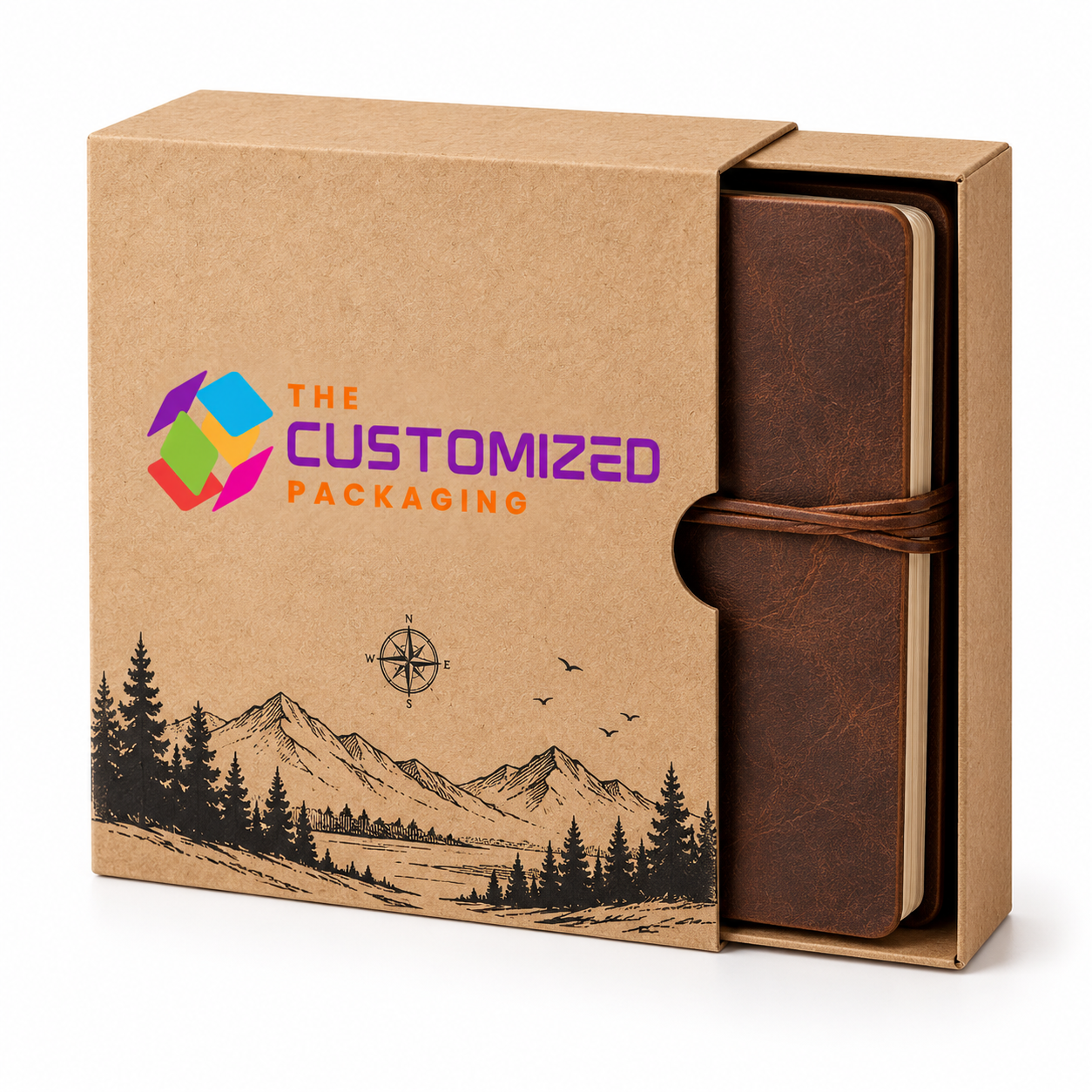
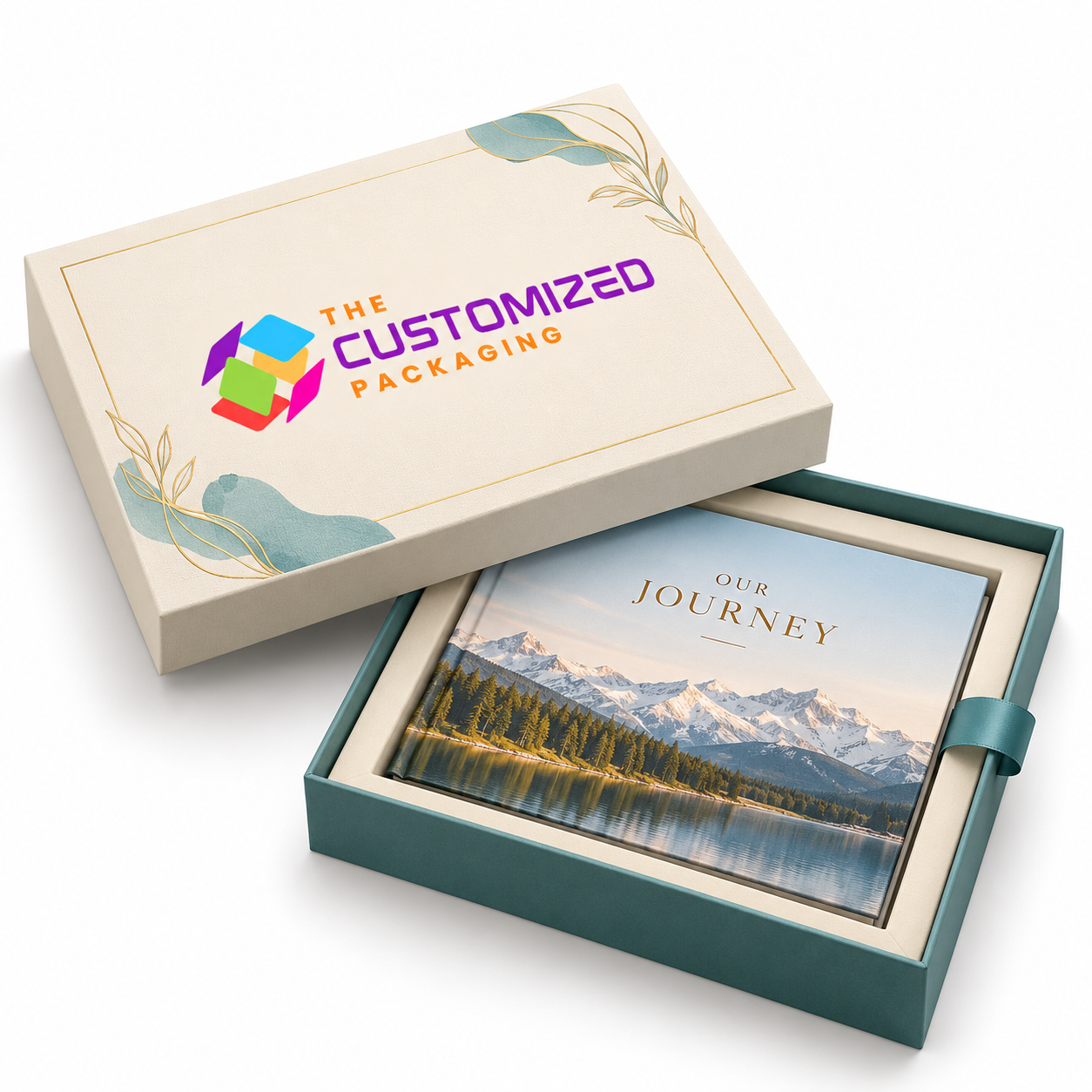
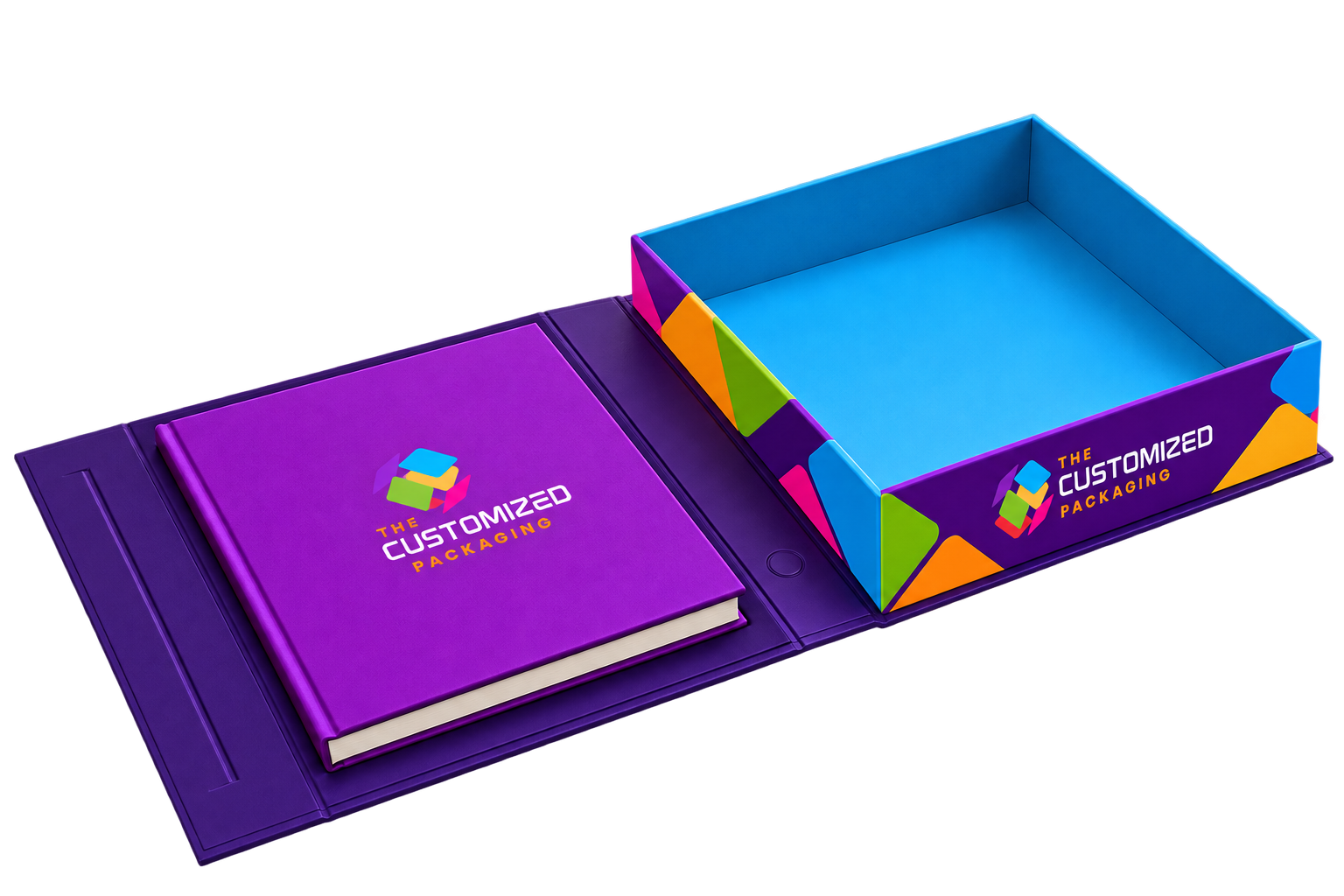
A slipcase slides over the finished book and can display spine or cover branding on the outer wrap. Two piece and rigid lids suit gift presentation and publisher launches. Clamshells open flat for editions that include prints or certificates. Sleeve and tray packs separate the printed outer sleeve from an inner well when the presentation calls for a two stage reveal.
These structures are intended mainly for presentation and retail use. They are not a substitute for a corrugated book mailer when the primary purpose is carrier transit. Choose the structure according to how the book will be displayed, presented, stored, or shipped.
Wells, Ribbons, and Book Removal
A fitted book well should hold the finished volume without crushing the spine or leaving so much space that the corners move during handling. Ribbon lifts and finger notches make it easier to remove the book without pulling on the dust jacket. Dividers can keep titles in a set separated so their covers do not rub directly against each other.
- Single title slipcase
- Hardcover presentation clamshell
- Paperback sleeve or shallow tray
- Multi book divided set box
- Sleeve and tray launch pack
- Rigid two piece collector edition
Title, Spine, Series, and ISBN Print Areas
Useful print areas can include the title, author, series name, publisher mark, edition information, barcode or ISBN panel, and QR codes when required. Spine panels are especially useful when the packaged books will sit upright on a shelf. Interior printing can also brand the inside of a clamshell or tray lid. Finishes should be planned carefully on surfaces that may come into direct contact with book covers.
CMYK or Pantone printing can be used on kraft board, white paperboard, or rigid wraps. Foil, embossing, debossing, soft touch coating, or spot UV can highlight titles and publisher branding where the selected material allows. Material and finish specifications should reflect the actual packaging configuration rather than implying preservation or conservation properties.
When to Use a Book Box Instead of a Book Mailer
Choose a book box when presentation is the primary goal, such as publisher launches, collector editions, bookstore display, gift sets, or limited edition releases. Choose a book mailer when the main purpose is shipping a volume through a parcel network using a mailer style structure. Keeping these two applications separate helps each packaging format serve a clear purpose.
| Use case | Packaging priority | Useful feature |
|---|---|---|
| Publisher or bookstore retail | Spine and series recognition | Slipcase or printed sleeve |
| Collector or limited edition | Presentation and accessory organization | Clamshell or tray with an accessory well |
| Gift or launch kit | Presentation and brand visibility | Rigid lid with ribbon lift |
| Multi volume set | Aligned seating for several books | Divided wells or a set slipcase |
| Parcel shipping | Carrier handling | Use a book mailer structure instead |
Useful quote inputs include the closed book length and width, spine thickness, dust jacket allowance, set count and layout, preferred structure, insert or ribbon requirements, printing plan, quantity, and delivery location. For a first estimate before sampling, use the Custom Box Packaging Cost Calculator, then confirm the final fit with a white sample using the actual finished books.
If a series includes both trade paperbacks and thick hardcovers, separate wells may be needed or the shared structure should be designed around the largest required dimensions. An oversized case intended to fit every title can leave too much movement around smaller books and excessive empty space around larger presentations.
Measure the closed finished book: length and width at the covers, spine thickness including boards, and any dust jacket or wrap that adds bulk. For sets, measure the stacked or side-by-side footprint you want the pack to hold.
Book boxes on this page are presentation and fitted retail or collector packs—slipcases, clamshells, trays, and similar structures around the volume. Book mailer boxes are oriented to shipping a book through a parcel network. Choose based on whether presentation or carrier transit is the primary job.
Yes. Multi-volume sets use divided wells, a shared tray, or a set slipcase so titles stay aligned. Provide each volume’s size and the layout (stacked or side-by-side).
Yes. Slipcases suit shelf presentation; clamshells suit editions that open flat with prints or certificates. Share book dimensions and whether accessories share the pack.
Yes. Plan cover, spine, and series panels plus barcode/ISBN space when needed. Those fields follow your approved publisher artwork—they are labeling areas, not claims about book condition.
Related Products


Order Custom Book Boxes from The Customized Packaging
We manufacture Custom Book Boxes for businesses that need reliable product protection, accurate printing, and professional packaging for retail, ecommerce, storage, or shipping. Each box can be customized by size, material, structure, printing, coatings, finishes, inserts, and order quantity.
Share your artwork and quantity targets for Custom Book Boxes and we will recommend the most cost-effective structure for your timeline. or speak with a packaging expert.