
| Specification | Available options |
|---|---|
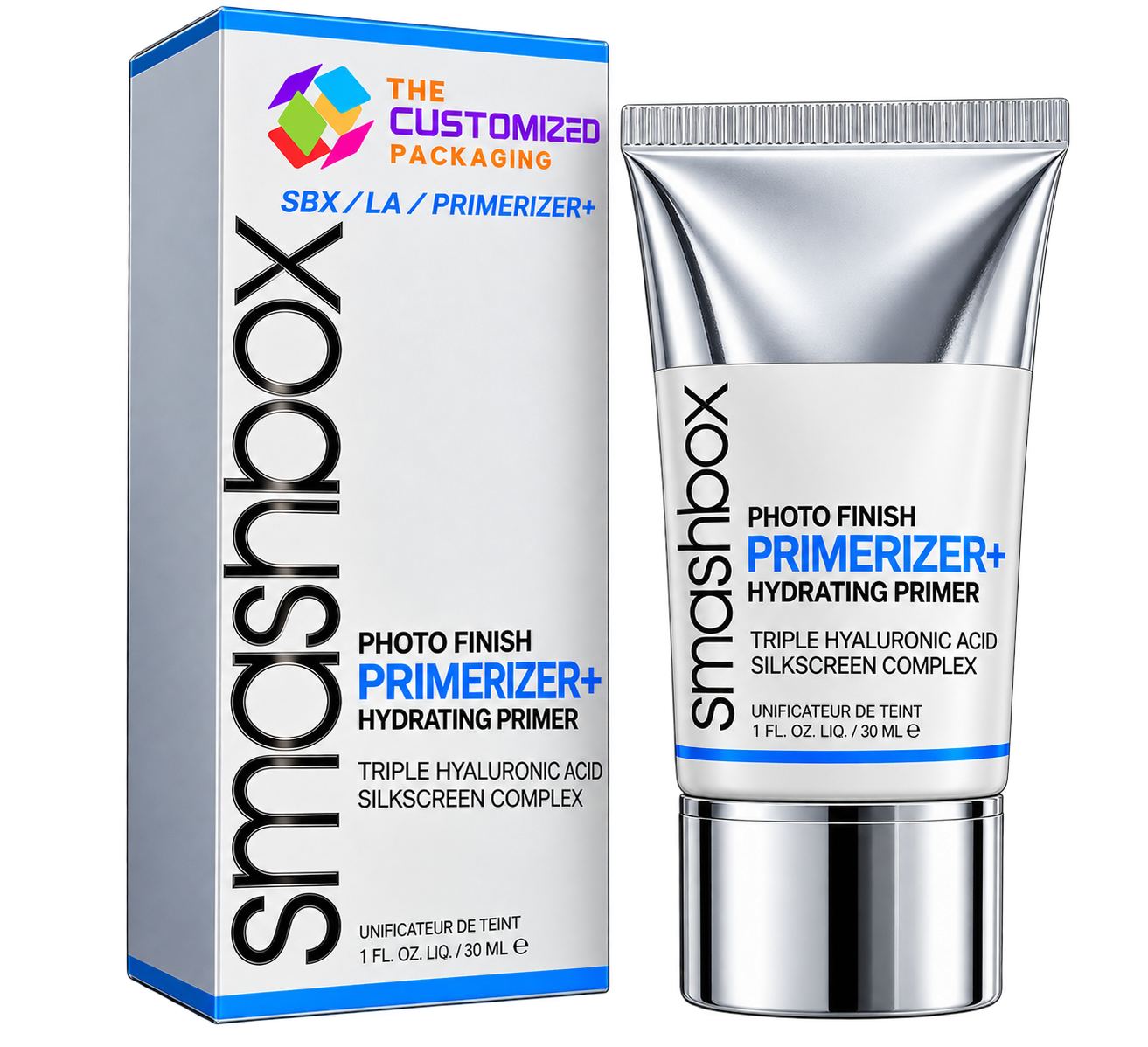
| Product type | Custom Face Primer Boxes — secondary cartons for primer containers |
| Packaging role | Secondary packaging around the brand’s filled primer pack (not the formula, pump, or bottle itself) |
| Primer container types | Squeeze tubes, pump bottles, airless dispensers, glass bottles, jars/balm pots, primer sticks, minis/samples |
| Container dimensions | Custom cavity from filled L×W×H, diameter, filled weight, and orientation |
| Cap / pump clearance | Plan height and side space for caps, pumps, actuators, and tube shoulders |
| Box styles | Tuck carton, auto-lock, window, hang-tab, sleeve, drawer, two-piece, rigid presentation |
| Materials | Folding carton / SBS, kraft options, micro-flute or light corrugated, rigid board where specified |
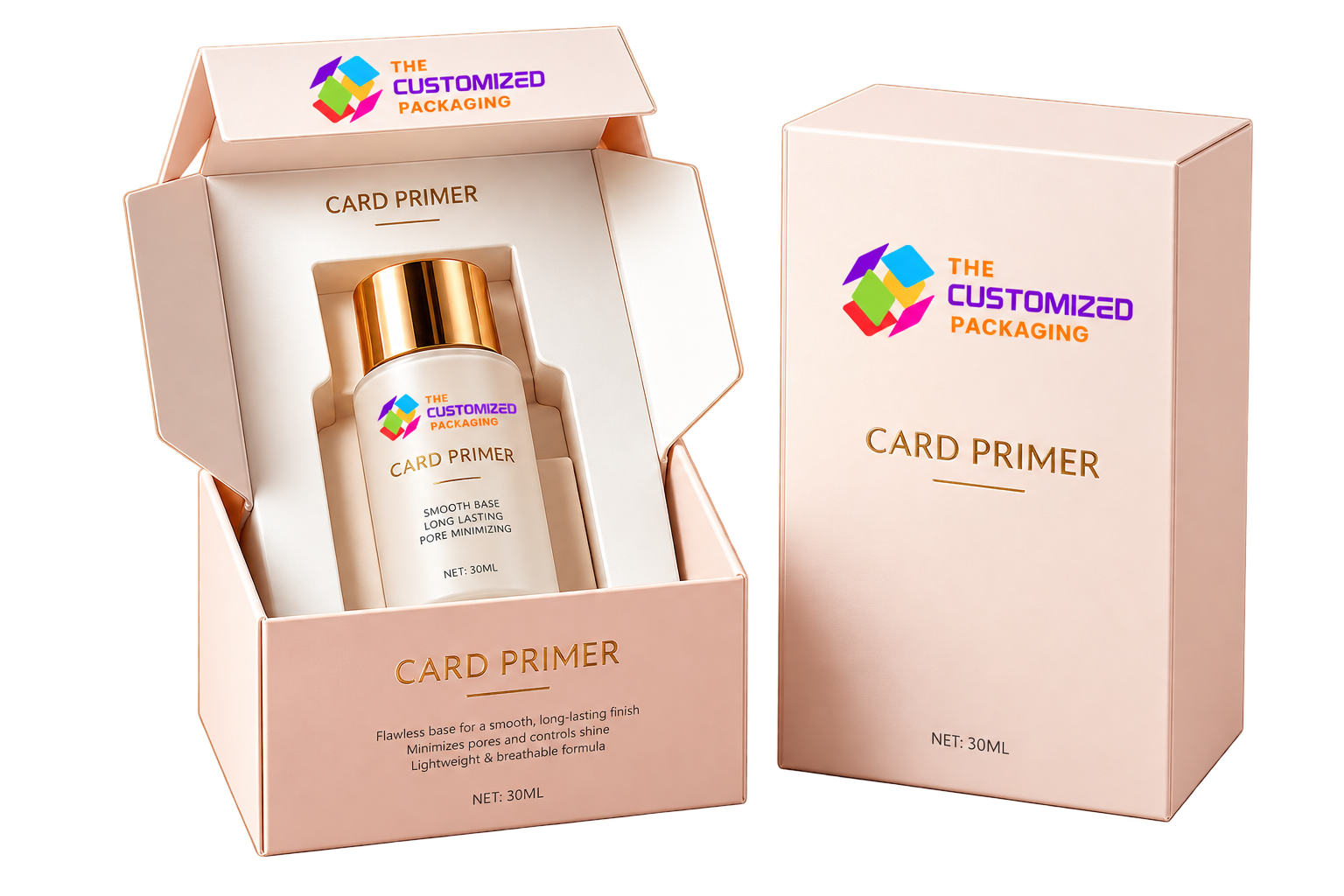
| Insert options | Paperboard collar, recessed tray, end stops, tube nest, stick channel, multipack grid |
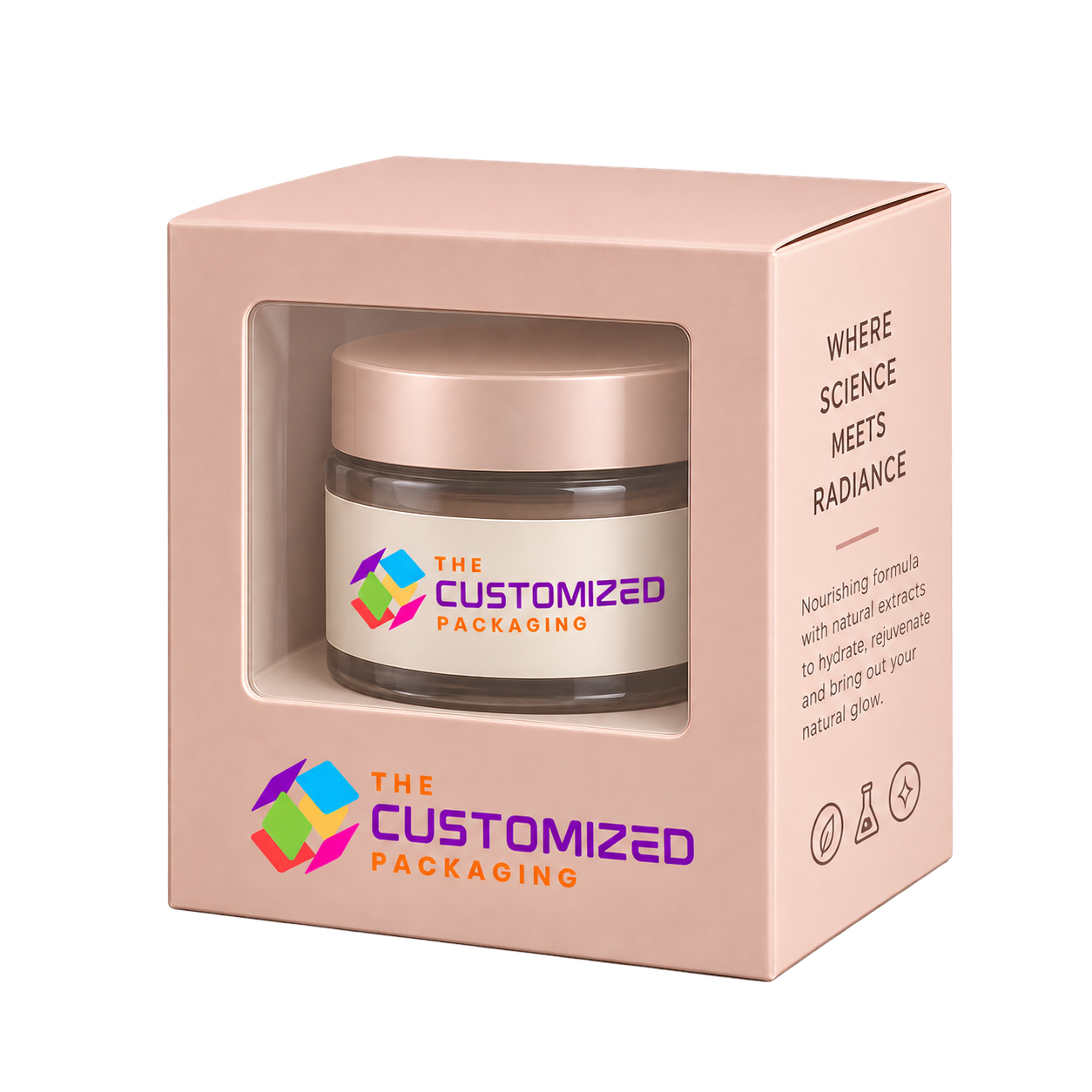
| Window options | Optional aperture to show bottle, label, or tube art; structural border retained |
| Hang tab | Optional Euro slot or reinforced tab when peg display is required |
| Printing | CMYK, Pantone, digital, or offset on exterior and selected interior panels |
| Variant / ID fields | Product name, variant label fields, net quantity, barcode/SKU, batch/date area, QR as needed |
| Finishes | Matte/gloss, soft-touch, foil, emboss/deboss, spot UV where board allows |
| Artwork | Print-ready files with dieline, bleed, and outlined fonts |
| Quote inputs | Filled L/W/H, diameter, cap/pump projection, weight, sample/photos, insert/window/hang needs, print plan, quantity, delivery location |
Size the Outer Carton From the Filled Primer Pack
Face primer packaging starts with the closed, filled primary pack—tube, bottle, jar, or stick—not with a stock cosmetics cube. Measure overall length, width, and height with the cap or pump installed, plus filled weight. Tube shoulders, oversized actuators, and glass bottle shoulders often set the cavity more than the body alone.
These cartons sit in TCP’s Cosmetics range. Broader beauty SKUs may use Custom Cosmetic Boxes; complexion bottles that are foundation rather than primer should compare Custom Foundation Boxes. This page stays on primer container cartons and dispenser clearances.
- Filled container length × width × height with closure on
- Bottle or jar diameter at the widest point
- Cap height or pump/actuator projection above the shoulder
- Filled weight for base strength and insert choice
- Label wrap position that must stay readable in a window
- Orientation: upright bottle, flat tube, or stick on edge
Pump Heads, Caps, and Actuator Clearance
Pump and airless primers fail in cartons that crush the head or force the actuator sideways. Leave vertical clearance above the tallest pump position and side space so the collar does not rub the nozzle. Tube packs need room for the flip or screw cap without denting the shoulder; stick mechanisms need length for the advancing base.
If the carton will be stacked on shelf or in shippers, confirm the lid and insert do not press the pump tip. A shallow presentation lid that looks fine on a mockup can mark soft tubes or crack a glass bottle finish when cases are palletized.
Tubes, Bottles, Jars, and Sticks Need Different Seats
Squeeze tubes often lie flat or stand on the cap end in a shallow tuck carton. Pump and airless bottles usually need an upright cavity with a paperboard collar. Glass bottles benefit from a snug tray and stiffer board so the bottle cannot tip. Jars and balm pots seat on diameter; primer sticks need a long, narrow channel that protects the advancing mechanism.
Choose the structure after the container type is locked—do not reuse a compact-case insert logic for a tall pump bottle. Mini and sample primers can share a multipack grid when each nest matches the smallest stable footprint.
| Primer container | Fit issue | Useful carton approach |
|---|---|---|
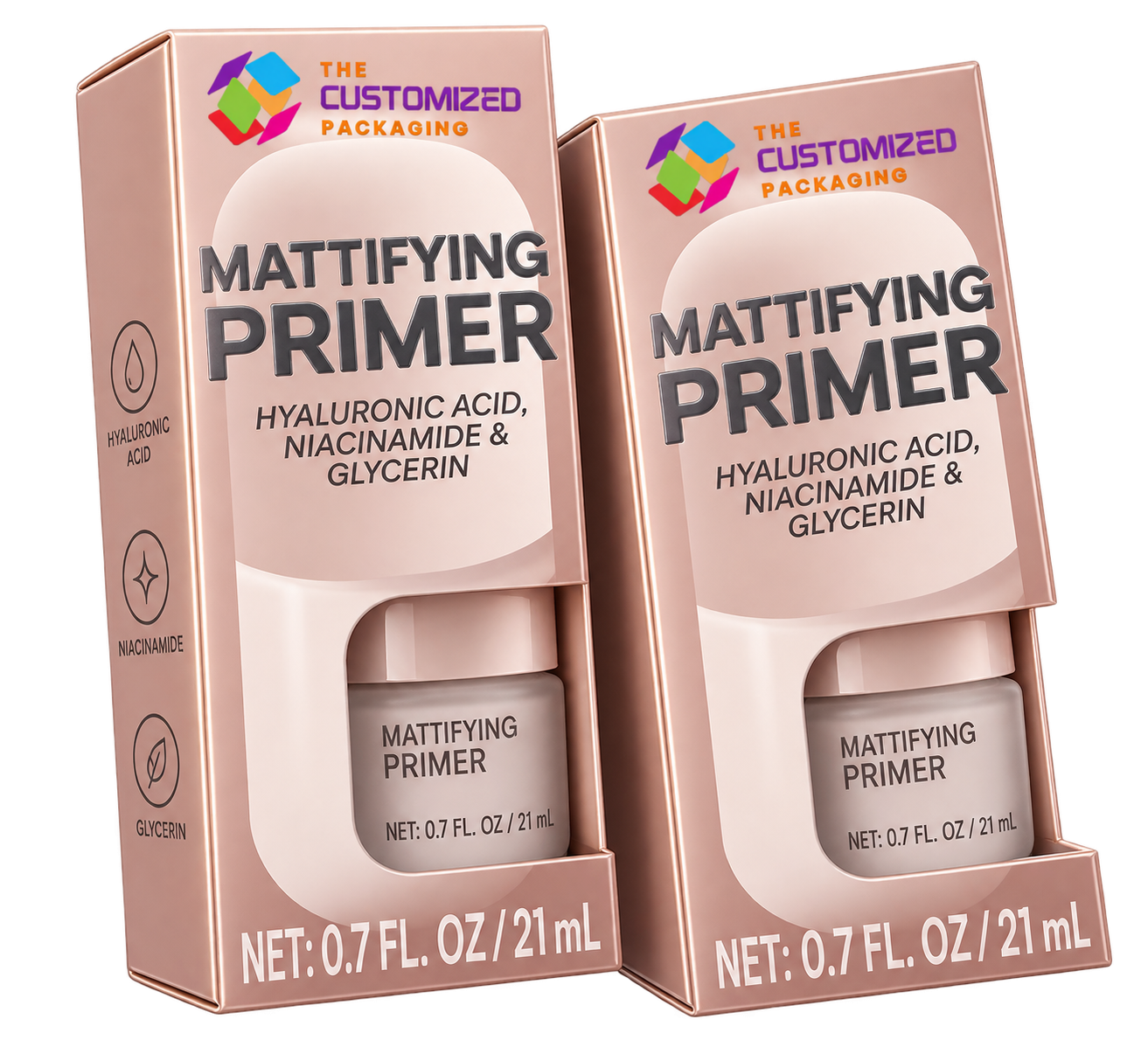
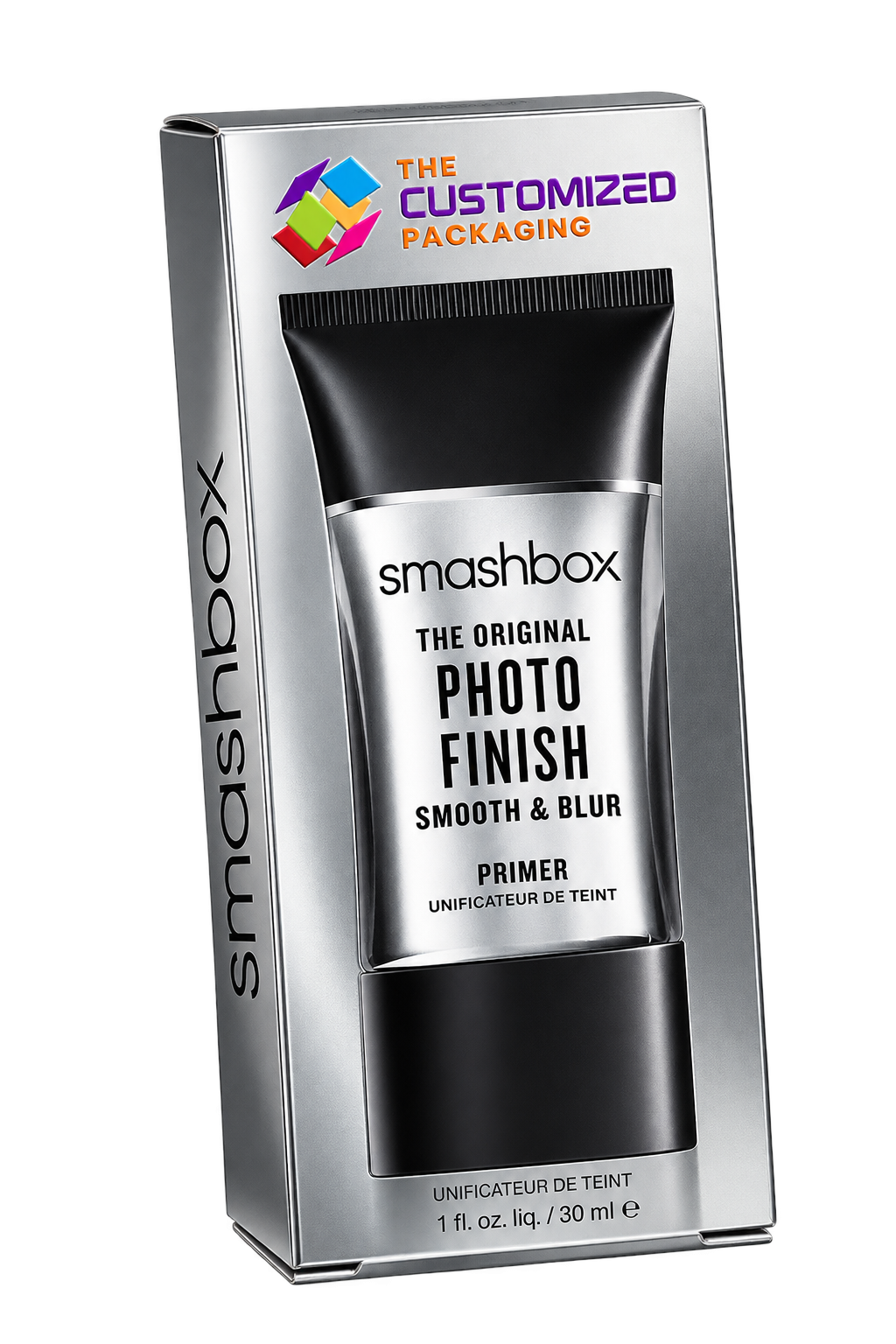
| Squeeze tube | Shoulder and cap height; soft-body crush | Shallow tuck carton; optional flat nest |
| Pump bottle | Actuator height and side rub | Upright carton with collar; taller lid |
| Airless dispenser | Head clearance; stable upright seat | Fitted collar; auto-lock if heavier |
| Glass bottle | Tip risk; impact through the pack | Snug tray; stiffer board or light flute |
| Jar / balm pot | Diameter seat; lid stack | Round collar or framed tray |
| Primer stick | Length; mechanism protection | Long narrow tuck or channel insert |
Collars and Trays for Tall or Fragile Dispensers
Die-cut collars, end stops, and recessed platforms keep bottles from rattling without gripping the pump head. Glass and taller airless units usually need a base platform so weight sits low in the carton. Soft tubes may only need a simple paperboard wrap or light nest—overbuilt foam is rarely required when the primary pack already seals the formula.
If any liner, coating, ink, or adhesive might contact formula from a leak or open sample, confirm materials for that contact path. Most retail programs treat the sealed primary container as the product-contact surface and the carton as secondary packaging.
- Tuck carton for everyday primer tubes
- Auto-lock carton for heavier pump or glass bottles
- Fitted bottle carton with paperboard collar
- Hang-tab carton for compact retail peg units
- Window carton showing the primary pack or label
- Drawer or two-piece presentation for launches and kits
Shelf, Peg, Window, and Launch Presentation
Retail primers often need a clear front for brand and variant name, optional hang tabs for peg walls, and windows when the bottle design sells the SKU. Launch and influencer sets may move to drawers or rigid trays that still start from the same container measurements. Ecommerce inners should retain the bottle upright; a separate mailer can handle courier compression when needed.
| Retail format | Packaging priority | Useful feature |
|---|---|---|
| Shelf carton | Variant recognition | Large front panel; optional window |
| Peg / hang retail | Hang strength vs bottle weight | Euro slot or reinforced hang tab |
| Ecommerce inner | Upright retention | Collar insert; snug tuck or auto-lock |
| Launch / gift set | Unboxing and multi-SKU layout | Drawer, two-piece, or kit tray |
| Sample / mini multipack | Repeatable nests | Grid insert sized to smallest unit |
Variant Labels Without Formula Performance Claims
Print zones commonly include brand mark, product name, and variant identifiers such as hydrating, mattifying, illuminating, blurring, or color-correcting—as labeling fields that must match the approved cosmetic product. Add space for net quantity, ingredients/usage when required, batch/date coding, barcode/SKU, and QR links. Do not treat packaging copy as proof of skincare performance; claims belong to the cosmetic brand’s substantiation.
CMYK or Pantone can brand kraft or white board; foil, emboss, soft-touch, or spot UV may highlight logos on presentation structures where the board allows. Keep finishes off surfaces that would contact formula unless those finishes are approved for that path.
For a first-pass cost range before final dielines, use the Custom Box Packaging Cost Calculator. Then confirm fit with a white sample using the actual filled pack—pump height and glass shoulders often change the carton even when the body diameter matches a plastic twin.
Useful quote inputs: filled L/W/H, diameter, cap/pump projection, filled weight, container photos or sample, insert and window preferences, hang-tab need, variant/SKU artwork plan, structure shortlist, quantity, and delivery location.
Measure filled length, width, and height with the cap or pump installed, plus diameter at the widest point and filled weight. Note pump or actuator projection and any label area that must stay visible through a window.
Yes. Squeeze tubes, pump and airless bottles, glass bottles, jars, and sticks can each use a cavity and insert matched to that footprint. Lock the container type before choosing tuck, auto-lock, collar, or channel structures.
Plan vertical space above the tallest pump or cap position and side clearance so inserts do not rub the actuator. Stacking and lid pressure should be checked with a white sample using the real filled pack.
Yes. Snug paperboard trays, collars, and end stops can keep glass upright and reduce tip risk. Heavier bottles may need stiffer board or an auto-lock base; confirm fit with the actual bottle.
Share filled L/W/H, diameter, cap/pump projection, filled weight, photos or a sample, insert and window preferences, hang-tab need, variant/SKU artwork plan, structure preference, quantity, and delivery location.
Related Products






Order Custom Face Primer Boxes from The Customized Packaging
We manufacture Custom Face Primer Boxes for businesses that need reliable product protection, accurate printing, and professional packaging for retail, ecommerce, storage, or shipping. Each box can be customized by size, material, structure, printing, coatings, finishes, inserts, and order quantity.
Share your artwork and quantity targets for Custom Face Primer Boxes and we will recommend the most cost-effective structure for your timeline. or speak with a packaging expert.