

| Specification | Available options |
|---|---|
| Product type | Snap Lock Bottom Boxes with manual interlocking 1-2-3 base |
| Also called | 1-2-3 bottom boxes, interlocking bottom cartons |
| Best suited for | Bottles, jars, candles, cosmetics, supplements, accessories, retail kits |
| Bottom construction | Manual interlocking panels; not a pre-glued crash lock |
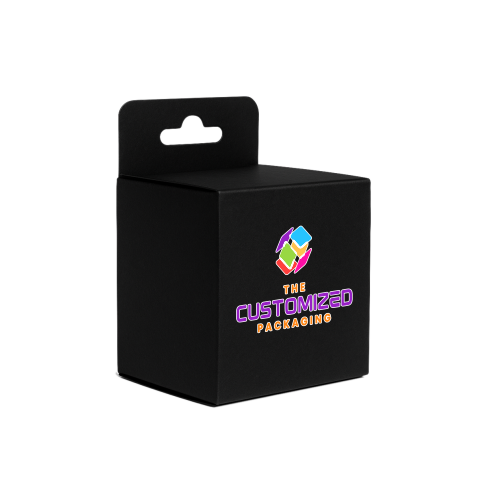
| Top closures | Straight tuck, reverse tuck, hang tab, optional seals when quoted |
| Insert options | Platforms, partitions, bottle holders, collars, kit trays |
| Window options | None, partial panel, or product-view window |
| Materials | Folding carton board; kraft or coated faces; higher caliper for heavier fills |
| Brand panels, product info, barcodes, QR, optional interior print | |
| Finishes | Matte or gloss coating, soft-touch, foil, spot UV where quoted |
| Shipping role | Retail presentation carton; use mailers or masters for courier parcels |
| Compare with | Autolock crash bottoms, tuck bottoms, material-specific snap lock siblings |
| Quote checklist | Footprint, height, filled weight, insert needs, top style, quantity |
Snap Lock Bottom Boxes for Retail Products That Need a Firm Hand-Locked Base
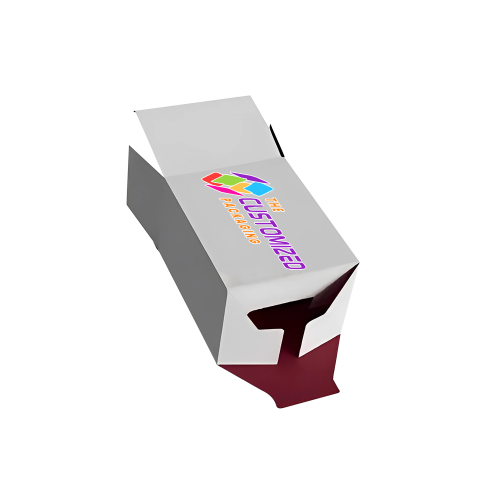
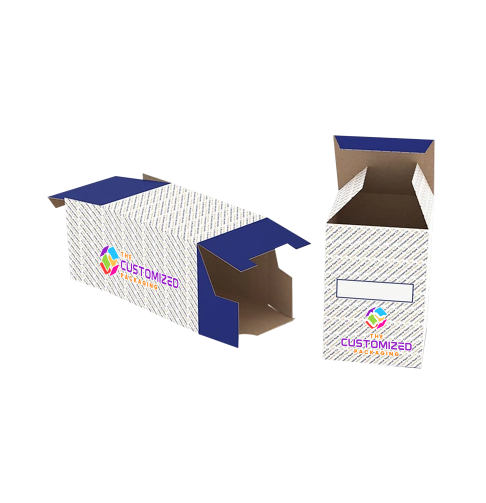
Snap Lock Bottom Boxes give packing teams a folding carton that ships flat, then builds into a stable base with a short interlocking sequence. The style is common for retail products that stand on shelf or counter and need cleaner presentation than a taped tuck carton, without moving to a fully automated crash-lock line. Cosmetics, candle brands, supplement makers, small electronics accessories, hardware kits, and specialty food jars often land here when the product has a defined footprint and moderate weight.
The commercial value is assembly control. Operators fold the bottom panels in order, seat the product or insert, then close the top. The base resists casual push-through better than a simple tuck bottom when board caliper and panel geometry are sized correctly. That makes the structure useful for bottles and jars that would stress a weak bottom during normal shelf handling, provided inserts or neck supports are quoted when the fill is tall or heavy.
Related TCP structures stay nearby for comparison. Custom Autolock Boxes use a pre-glued crash bottom for faster pop-open packing. Material-led siblings such as Custom Cardboard Snap Lock Boxes and Custom Kraft Snap Lock Boxes follow the same bottom idea with material-first merchandising. This page stays on the structure itself: manual interlocking bottom, top options, inserts, and load planning.
How the 1-2-3 Bottom Works in Real Packing
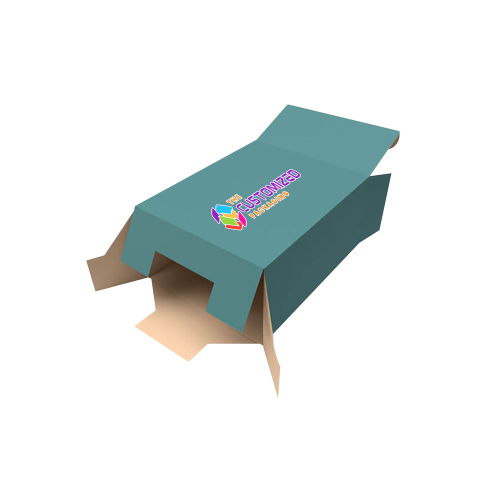
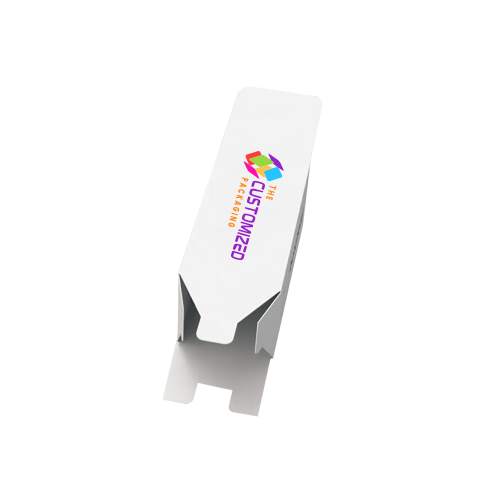
The nickname 1-2-3 bottom describes the fold order. One major panel folds first, the next panels weave or seat against it, and the final panel locks the base. Done correctly, the bottom becomes a lattice that carries vertical load into the side walls. Done out of sequence, the lock feels soft and can open under product weight. Training a short packing station checklist usually prevents that better than adding tape as a default.
Unlike auto lock bottoms, snap lock bases are not pre-glued into a crash position. That keeps carton blanks flatter in inventory and can simplify some print and die layouts, while shifting a few seconds of labor to the packing table. Choose snap lock when flat inventory, variable run sizes, or mixed SKUs matter more than maximum packing speed. Choose auto lock when every second on the line is the priority and glue-based crash bottoms are already approved.
- Confirm product base diameter or footprint before locking bottom panel geometry.
- Weigh the filled unit, including inserts, when selecting board caliper.
- Train the fold sequence; out-of-order locks are a common failure mode.
- Add trays, neck supports, or platforms when bottles or jars can tip.
- Decide whether tape is emergency backup only or never part of the standard pack.
| Bottom style | Assembly | Best fit | Tradeoff |
|---|---|---|---|
| Snap lock / 1-2-3 | Manual interlocking panels | Retail cartons needing a firm hand-built base | Needs correct fold order and caliper |
| Auto lock / crash lock | Pre-glued base pops open | High-speed packing lines | Glue line and different blank economics |
| Standard tuck bottom | Simple tuck or friction | Light products and low stress shelves | Less base resistance under push loads |
Top Closures, Windows, Hang Tabs, and Inserts
Most snap lock programs pair the interlocking base with a tuck top. Straight tucks and reverse tucks cover standard retail cartons. Hang tabs support peg display when the product line is carded on hooks. Windows show bottle labels, candle jars, or kit contents when shelf visibility drives conversion. Dust flaps and friction locks keep tops from opening during normal handling; tape or tamper seals are separate quote items when required by the channel.
Inserts turn a generic snap lock carton into a product-specific pack. Platforms raise short jars. Partitions separate multi-piece kits. Die-cut holders stabilize bottles. Foam or paperboard cradles protect fragile accessories. The bottom lock carries load only when the insert and product weight stay within the board and geometry you approved. Heavy glass without a support plan should not rely on panel friction alone.
Print can cover brand panels, ingredients, usage steps, and ecommerce barcodes. Interior print is useful for unboxing storytelling on gift-leaning SKUs. Keep scan panels clear of heavy varnish or foil if warehouse scanning matters.
Load Planning, Board Choice, and Shipping Role
Snap lock bottoms are retail carton structures first. They are not a substitute for corrugated shippers when parcels take courier abuse. For ecommerce, use the snap lock carton as the product presentation pack inside a mailer or master shipper sized for drop and stack loads. For retail distribution, confirm case pack patterns so bottom locks are not repeatedly compressed by poorly nested stacks.
Board selection follows weight and graphics. Folding carton grades suit cosmetics, supplements, and light accessories. Heavier bottles may need higher caliper or a move to corrugated snap lock variants. Kraft faces support natural branding; coated whites support dense artwork. Always prototype with the real product, filled, before approving a large run.
| Product situation | Structure note | Add-on to quote |
|---|---|---|
| Light cosmetics or accessories | Standard snap lock + tuck top | Optional window |
| Candle jar or short bottle | Firm base, check diameter fit | Platform or collar insert |
| Tall bottle or glass | Higher caliper, careful geometry | Neck support, shipper carton |
| Multi-piece kit | Snap lock shell as outer | Partitions or tray |
Quote Inputs for Accurate Snap Lock Cartons
Provide outer length, width, and height targets or the product footprint and height so a dieline can be drawn. Include filled weight, whether the product can tip, insert needs, top style, window needs, and print panel count. State if packing is hand assembly or mixed with auto lock SKUs on the same line so training materials stay clear.
For an early quantity and size ballpark, use the custom box packaging cost calculator, then refine after base geometry and inserts are set. If you already know you need crash-bottom speed instead, move the conversation to autolock rather than forcing snap lock into a high-speed role it is not designed for.
A short packing video or photo of your current fold sequence helps reviewers catch weak locks before mass production. Treat the bottom sequence as part of the product specification, not as an afterthought for the warehouse team.
No. Snap lock bottoms use manually interlocking panels assembled in sequence. Auto lock or crash-lock bottoms use a pre-glued base that pops into shape. Choose snap lock for controlled hand assembly and flat inventory; choose auto lock when packing speed is the priority.
The name describes the fold order used to lock the base. Panels fold in sequence so the final panel seats the interlocking structure. Packing teams should follow that order; an out-of-sequence fold can leave a soft base under product weight.
A correctly sized and folded snap lock base is designed to hold without tape for normal retail assembly. Tape may still be used as a process backup or channel requirement, but it should not replace proper panel geometry and board caliper.
They can when footprint, caliper, and inserts match the filled weight and height. Tall or heavy glass usually needs neck supports, platforms, or partitions, plus a corrugated shipper for courier moves. Prototype with the real filled product before a large run.
This page focuses on the interlocking bottom structure and load planning. Cardboard, kraft, and corrugated snap lock pages highlight material-first options using the same general bottom idea. Share material preference in the quote so the structure and face stock stay aligned.
Related Products


Order Custom Snap Lock Bottom Boxes from The Customized Packaging
We manufacture Custom Snap Lock Bottom Boxes for businesses that need reliable product protection, accurate printing, and professional packaging for retail, ecommerce, storage, or shipping. Each box can be customized by size, material, structure, printing, coatings, finishes, inserts, and order quantity.
Share your artwork and quantity targets for Custom Snap Lock Bottom Boxes and we will recommend the most cost-effective structure for your timeline. or speak with a packaging expert.